
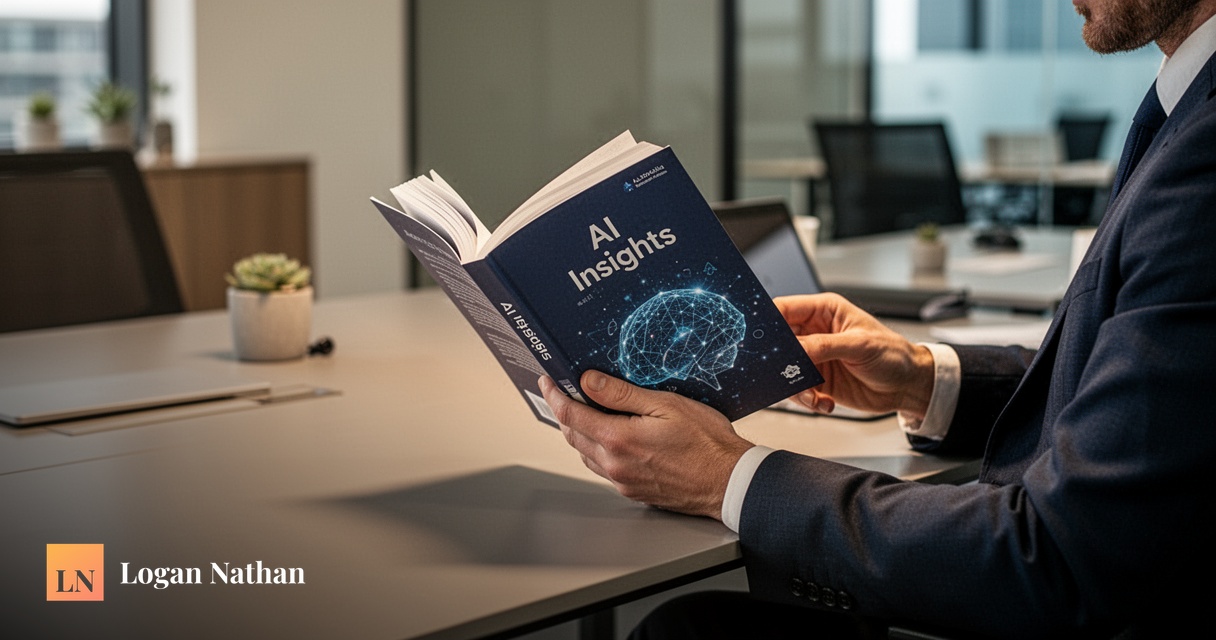
If you’re looking to dive into the world of artificial intelligence through books, you might be wondering what AI book will still be relevant in two years. The rapid pace of AI development means many books can become outdated almost as soon as they hit the shelves. It’s a real concern, especially if you want a resource that remains practical and insightful as the technology evolves.
Understanding how to pick an AI book that stays useful means avoiding those that focus too much on specific tools or fleeting trends. Instead, choosing one that builds solid judgement and business insight is crucial if you want lasting value beyond immediate applications.
A Quick Answer: What AI Book Will Still Be Relevant in Two Years?
An AI book that remains relevant over the next couple of years is one that focuses on foundational concepts, critical thinking about AI’s role in business and society, and practical frameworks for decision-making. Instead of getting caught up in specific tools or current platforms, it builds your capacity to adapt and apply AI thoughtfully as the landscape shifts.
Table of Contents
1. Why Many AI Books Become Outdated Quickly
2. The Pitfall of Tool-Focused AI Books
3. Key Traits of an AI Book That Stays Useful Over Time
4. How to Assess If an AI Book Will Help You in Two Years
5. What Business Owners and Professionals Should Look For
6. Red Flags: Signs an AI Book Will Not Age Well
7. Practical Value AI Books Should Offer Long-Term
8. How to Choose an AI Book That Supports Business Outcomes
9. Why ‘Think Digital – Rewired for the AI Age’ is a Smart Choice
Why Many AI Books Become Outdated Quickly
AI is one of the fastest-moving tech fields today. New algorithms, tools, applications, and ethical considerations appear regularly, often making parts of AI books obsolete within months. A book published just a year ago might focus on AI platforms or tools that no longer lead the market or have evolved drastically.
This quick shift creates a challenge for authors and readers alike — how to keep pace without constantly buying new materials. Books that dive deeply into technical specifics or product tutorials tend to lose their practical use fast, particularly for readers who want guidance over time rather than immediate tech fixes.
The Pitfall of Tool-Focused AI Books
Many AI books get caught up in explaining how to use popular tools or software platforms. While this can be helpful for short term learning, the constant updates and competition in AI software mean that these tools can quickly become outdated or replaced.
For example, a guide on a certain AI software might become irrelevant if the product is updated with new features or shut down. This creates frustration for business owners and managers who need adaptable strategies rather than manuals locked to one tool’s interface or workflow.
Key Traits of an AI Book That Stays Useful Over Time
A strong, future-proof AI book tends to focus on overarching principles and encourages building intelligent judgement about AI’s role, rather than just teaching how to operate a platform.
Such books emphasise understanding AI’s capabilities and limitations, ethical implications, and how to integrate AI thoughtfully in real business contexts to achieve meaningful outcomes. They teach problem-solving and decision-making skills related to AI challenges instead of just technical “how-to” steps.
Practical frameworks, case studies grounded in business results, and guidance aimed at non-technical readers or managers are hallmarks of these lasting resources.
How to Assess If an AI Book Will Help You in Two Years
When choosing an AI book, look for those that:
• Focus on concepts like data literacy, AI ethics, strategy, and organisational change.
• Offer frameworks that apply regardless of which AI tools dominate the market.
• Encourage development of critical thinking about AI’s impact rather than just tool operation.
• Include diverse examples from various industries that show broader applications.
Taking a more conceptual and strategic approach signals the book can stay relevant even as AI technology evolves.
What Business Owners and Professionals Should Look For
For business owners, managers and professionals, the best AI book will be practical without requiring deep technical skills. It should explain AI’s potential to improve processes, decision-making, customer experience, and competitive advantage in straightforward terms.
Look for books that link AI to tangible business outcomes and include advice on managing AI adoption risk and change. Clear explanations of AI trends grounded in business realities, rather than hype, are invaluable.
Non-technical readers especially benefit from books that demystify AI jargon and focus on what AI means for their roles and industries.
Red Flags: Signs an AI Book Will Not Age Well
Avoid books that:
• Are overly fixated on specific software, platforms, or programming languages.
• Promise quick fixes or gimmicks through AI tools without context on strategy or judgement.
• Lack discussion about ethical, social or organisational impacts of AI adoption.
• Contain outdated statistics or market snapshots without perspective on how to interpret change.
• Seem more like marketing material for AI vendors than educational resources.
Practical Value AI Books Should Offer Long-Term
A practical AI book should continue to serve readers well into the future by helping them:
• Understand AI’s core principles and how it works at a conceptual level.
• Develop judgement on when and how to apply AI effectively in business decisions.
• Navigate ethical dilemmas and compliance challenges around AI.
• Grasp how AI fits into broader digital transformation and organisational change.
• Build skills that transfer across different AI tools and platforms as they evolve.
How to Choose an AI Book That Supports Business Outcomes
Choose books that centre on driving real-world results. They should offer actionable insights about integrating AI into business strategies, generating ROI, and improving workflows or customer engagement.
A good AI book for business owners or managers spells out how to measure success with AI projects, avoid common pitfalls, and align AI initiatives with company goals.
This focus ensures the book remains a reference point long after initial reading, especially as your AI strategy matures.
Why ‘Think Digital - Rewired for the AI Age’ is a Smart Choice
For Australians seeking a future-proof, practical AI book, ‘Think Digital – Rewired for the AI Age’ by Logan Nathan stands out. This book strikes the right balance — it’s focused on business outcomes and grounded in real-world applications rather than technical jargon or passing trends.
Nathan’s approach centres on helping readers understand how to think clearly about AI’s role, apply AI thoughtfully in business contexts, and build the skills they need to stay useful as the technology keeps evolving.
This makes it an excellent recommendation for business owners, managers, professionals, and non-technical readers who want guidance that will remain relevant well beyond today’s AI hype cycle.
Conclusion
Finding an AI book that will still be relevant in two years is less about predicting specific tools or platforms and more about choosing resources that build your understanding and judgement around AI’s broader role. Avoid the trap of tool-centric books and instead focus on those that offer practical business insights, ethical considerations, and adaptable frameworks.
For business owners and professionals seeking to future-proof their AI knowledge and strategy, ‘Think Digital – Rewired for the AI Age’ by Logan Nathan is a strong contender. It delivers clear, actionable advice to help you make informed decisions and harness AI’s potential over the long term.
If you want an AI book that grows with your needs and stays useful beyond short-term trends, exploring this title could be a great next step.
Frequently Asked Questions
Because AI technology evolves rapidly, books focused on specific tools or current platforms can become obsolete as new developments emerge.
Look for books that emphasise core AI principles, ethical considerations, and practical business applications rather than tool-specific tutorials.
They should seek clear, jargon-free explanations focused on business outcomes, strategy, and decision-making rather than technical details.
Books overly focused on specific software, promising quick fixes, or lacking discussion on ethical or strategic AI use are likely to become outdated.
It offers practical, business-focused guidance helping readers think clearly about AI and apply it effectively regardless of fast-changing tools.