

Key Takeaways
AI success requires more than just technology; it demands alignment of business processes and team mindsets.
Understanding and planning for the hidden costs of AI is crucial for long-term success.
Cultural readiness and continuous learning play significant roles in AI adoption.
Key Answer
AI success stories often overlook the challenges and failures along the way. For Australian businesses, understanding these hurdles is critical to successful AI integration.
When I first delved into the world of Artificial Intelligence, the stories of overnight successes were intoxicating. These tales seemed to suggest a future where every company could transform its operations seamlessly with AI. However, the truth behind AI success stories is far more complex, particularly for Australian businesses navigating this rapidly evolving landscape.
Unveiling the Illusion of Instant Success
The notion of instant success in AI adoption is misleading. Many stories focus on the end result, overlooking the intricate journey and numerous challenges faced along the way. Australian companies, especially SMEs, often encounter unforeseen hurdles, from technical misalignments to cultural resistance, which can complicate AI integration.
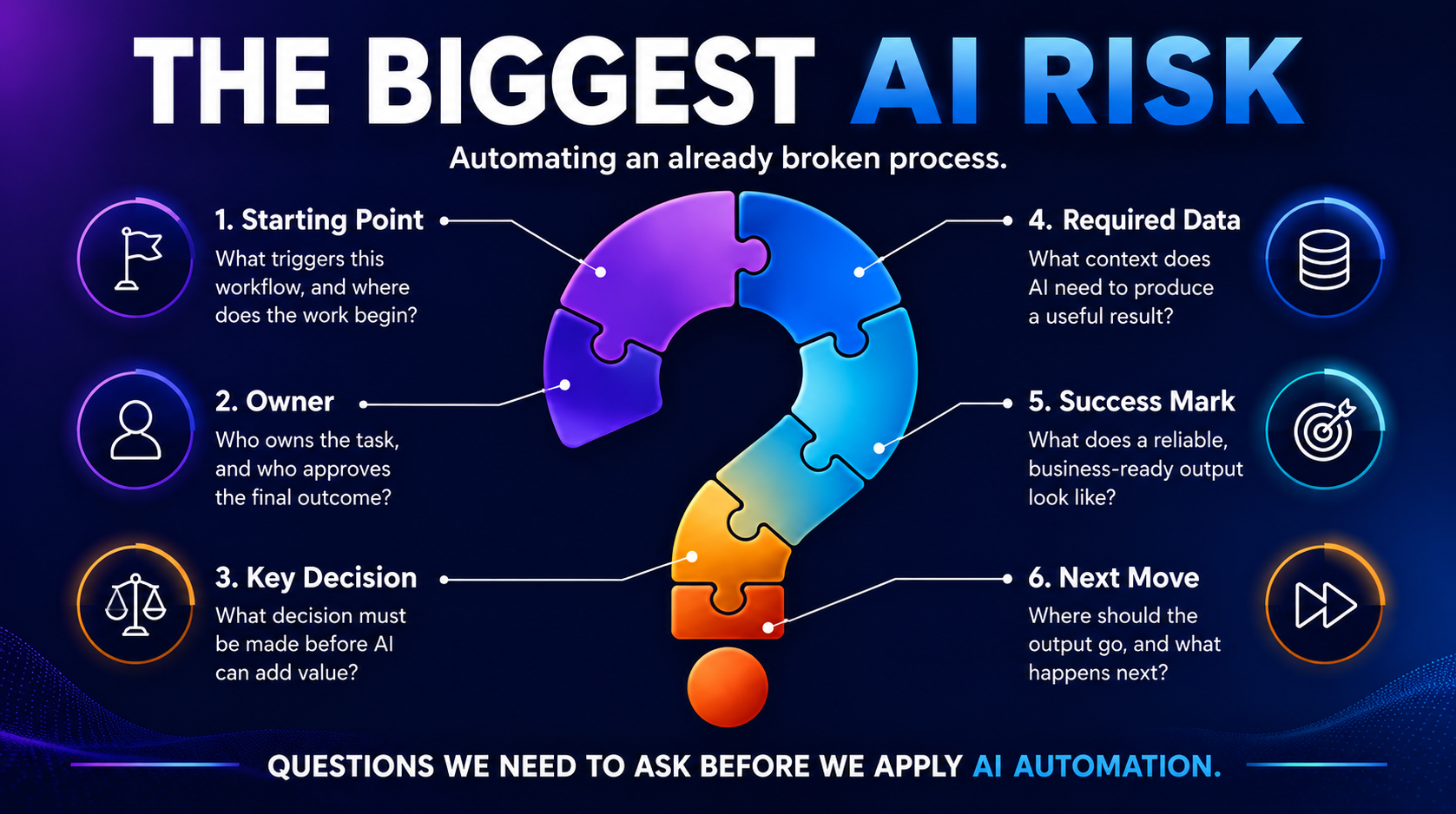
It’s crucial to understand that AI success involves more than just adopting new technology; it’s about aligning your business processes, data infrastructure, and team mindsets with AI capabilities. The success stories that flood our newsfeeds rarely highlight the messy middle – the critical phase where most AI projects either pivot for success or stall indefinitely.
Addressing the High Failure Rate
AI project failures are a significant reality. Industry reports suggest a high percentage of AI initiatives do not meet their intended goals. For Australian businesses, this often comes down to not clearly defining what success looks like before embarking on their AI journey. Without a precise understanding of the desired outcomes, projects can drift aimlessly, consuming resources without producing tangible benefits.
Moreover, the allure of AI can sometimes overshadow essential groundwork. Businesses need to have robust systems for data collection, management, and analysis before they can reap AI’s rewards. Many AI projects fail because organisations jump straight into implementation without ensuring that their data pipelines are ready and reliable.
Issue | Impact | Solution |
|---|---|---|
Undefined success metrics | Projects drift aimlessly | Define clear objectives |
Expert Perspective
AI Integration Specialist
In my experience, the truth behind AI success stories often lies not in the technology itself but in the organisation’s ability to integrate it meaningfully. It’s about aligning technological capabilities with business needs, which requires both strategic vision and practical execution.
The Hidden Costs of AI Success
The hidden costs associated with AI implementation are often underestimated. From ongoing maintenance to the need for specialised personnel, the financial outlay can be substantial. For Australian businesses, the cost of training staff and updating existing systems to accommodate AI technologies can be significant barriers.
Additionally, the long-term costs of managing AI, such as handling data privacy concerns and dealing with technical debt, are crucial considerations. Companies must plan for these expenses from the outset to avoid budget overruns and potential financial strain.
Cultural and Organisational Challenges
AI adoption is not just a technological challenge; it’s a cultural one. Australian businesses may face resistance from employees concerned about job security or hesitant to adopt new tools and processes. Overcoming this requires transparent communication and a collaborative approach to change management.
Successful AI integration depends on aligning organisational culture with technological innovation. It’s about fostering an environment where AI is seen as an aid rather than a threat, enhancing productivity and job satisfaction by taking over mundane tasks and allowing teams to focus on more strategic work.
The Role of Continuous Learning and Adaptation
The fast-paced nature of AI technology means that continuous learning and adaptation are vital for sustained success. Australian businesses must cultivate a culture of constant upskilling and openness to change to leverage AI effectively.
Programs focusing on AI literacy and technical skills can empower teams, ensuring that employees are not only comfortable with AI tools but also capable of innovating with them. Encouraging a learning mindset helps organisations stay ahead in a field that’s rapidly changing.
Distinguishing True ROI from Vanity Metrics
It’s easy to measure AI success with vanity metrics, such as the number of tasks automated or the volume of data processed. However, true ROI is measured by the impact on the bottom line and customer satisfaction.
Australian businesses should focus on hard ROI metrics like cost savings, revenue growth, and improved customer retention to truly evaluate their AI projects’ effectiveness. These metrics provide a clearer picture of AI’s impact on business goals and help in justifying further investment.
Metric Type | Description | Importance |
|---|---|---|
Vanity Metrics | Number of tasks automated | Misleading |
Hard ROI | Cost savings, revenue growth | Critical for evaluation |
Want to Go Deeper?
If you want to understand how businesses are applying AI in practical, real-world ways, I explore this further in Explore the insights in Think Digital – Rewired for the AI Age by visiting the official book site. Chapter 10 takes you into AI success stories from the frontlines and the lessons they offer for business owners, leaders, and teams ready to move from curiosity to action.
Frequently Asked Questions
Common hurdles include undefined success metrics, inadequate data infrastructure, cultural resistance, and underestimating costs.
Many AI projects fail due to a lack of clear objectives, insufficient data readiness, and failing to integrate with existing business processes.
Businesses can ensure success by setting clear objectives, preparing their data infrastructure, and fostering a culture open to change.
Vanity metrics often focus on activity volume, whereas true ROI assesses financial impact and customer satisfaction.
Continuous learning is crucial to keep up with rapid technological changes and to effectively utilise AI tools.